
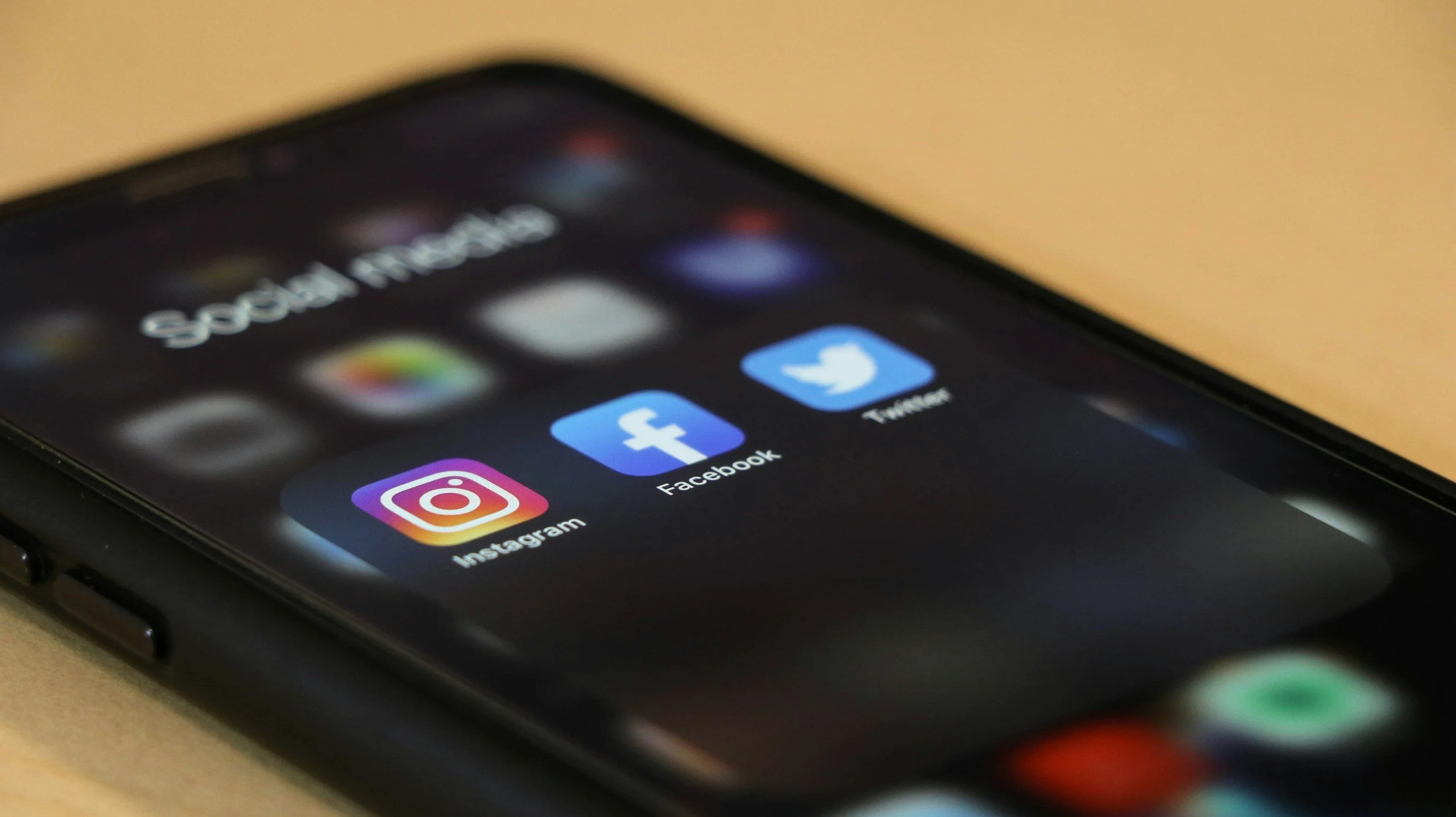
Social media has been a form of expression for how students communicate, express opinions, and interact with peers. But what if a student posts something that a school finds offensive or inappropriate? Can the school legally discipline the student? Although students do have constitutional rights to free speech, those rights can be limited in a school setting. Over the years the Supreme Court has allowed schools to restrict certain speech from students. The Supreme Court has addressed the balance between student expression and a school’s authority in several important cases, and social media has made the distinction between on-campus and off-campus speech increasingly significant.
First Amendment Protections
The First Amendment does generally protect individuals from governmental restrictions on their speech. Because public schools are government institutions, students do not completely lose their First Amendment rights when they enter a school building. In Tinker v. Des Moines Independent Community School District, the Supreme Court established that schools may restrict student expression if it “materially and substantially interferes” with operation of the school.[1] In this case, students wore black armbands to show their support for a truce in the Vietnam war. The Court decided the student’s expression was protected because the armbands did not cause the necessary disruption needed for suppression of speech.
When Schools Constrain Speech
The Supreme Court has since recognized multiple situations where schools can limit speech from students. In Bethel School District No. 403 v. Fraser, Matthew Fraser used offensive language during a school assembly. Bethel High School then enforced a school rule forbidding speech which
“substantially interferes with the educational process . . . including the use of obscene, profane language or gestures” and suspended Fraser for two days.[2] The Supreme Court upheld the school’s enforcement of its rule. In Morse v. Frederick, the Court held that a school could restrict student speech at a school-supervised event when speech promotes drug use.[3]
Social Media Speech
Schools do have the authority to restrict student speech in certain situations, but can they continue to do this off-campus and through social media? In an important case, Mahanoy Area School District v. B.L., after a student failed to make the school’s cheerleading varsity team and was instead placed on the junior varsity team, she published a post on Snapchat using profane language expressing frustration about the school, softball, and cheerleading. Some cheerleaders who saw it expressed their concerns to their coach, and the student was suspended from the school’s team for one year. However, the Supreme Court ruled that the school violated the student’s First Amendment rights. The Court emphasized that schools have less authority to regulate off-campus speech and that B.L.’s speech did not present the type of substantial disruption or serious threat that would justify school discipline.[4]
Schools can still restrict off-campus and social media speech, but in limited situations. When a student is bullying or making threats toward the school or other students, schools can interfere. For example, in Kowalski v. Berkeley County Schools, Kara Kowalski created a MySpace page largely used to ridicule another student. The school took disciplinary action and suspended Kara for five days. Kara sued the school district, arguing that the suspension violated her free speech. The Fourth Circuit Court of Appeals ruled that the school could discipline the student because the online attack was targeted at another student and sufficiently connected to the school environment and therefore upheld the school’s punishment.[5] Schools may still have authority to discipline students for certain off-campus speech, particularly when the speech involves serious bullying or harassment, threats directed at others, or causes substantial disruption to the school environment.
Written by Kushi Ambati, Summer Intern at Abdnour Weiker, LLP
[1] Tinker v. Des Moines Indep. Cmty. Sch. Dist., 393 U.S. 503, 513 (1969).
[2] Bethel Sch. Dist. No. 403 v. Fraser, 478 U.S. 675, 678 (1986).
[3] Morse v. Frederick, 551 U.S. 393, 410 (2007).
[4] Mahanoy Area Sch. Dist. v. B.L., 594 U.S. 180, 192-93 (2021).
[5] Kowalski v. Berkeley County Schools, 652 F.3d 565 (4th Cir. 2011).