
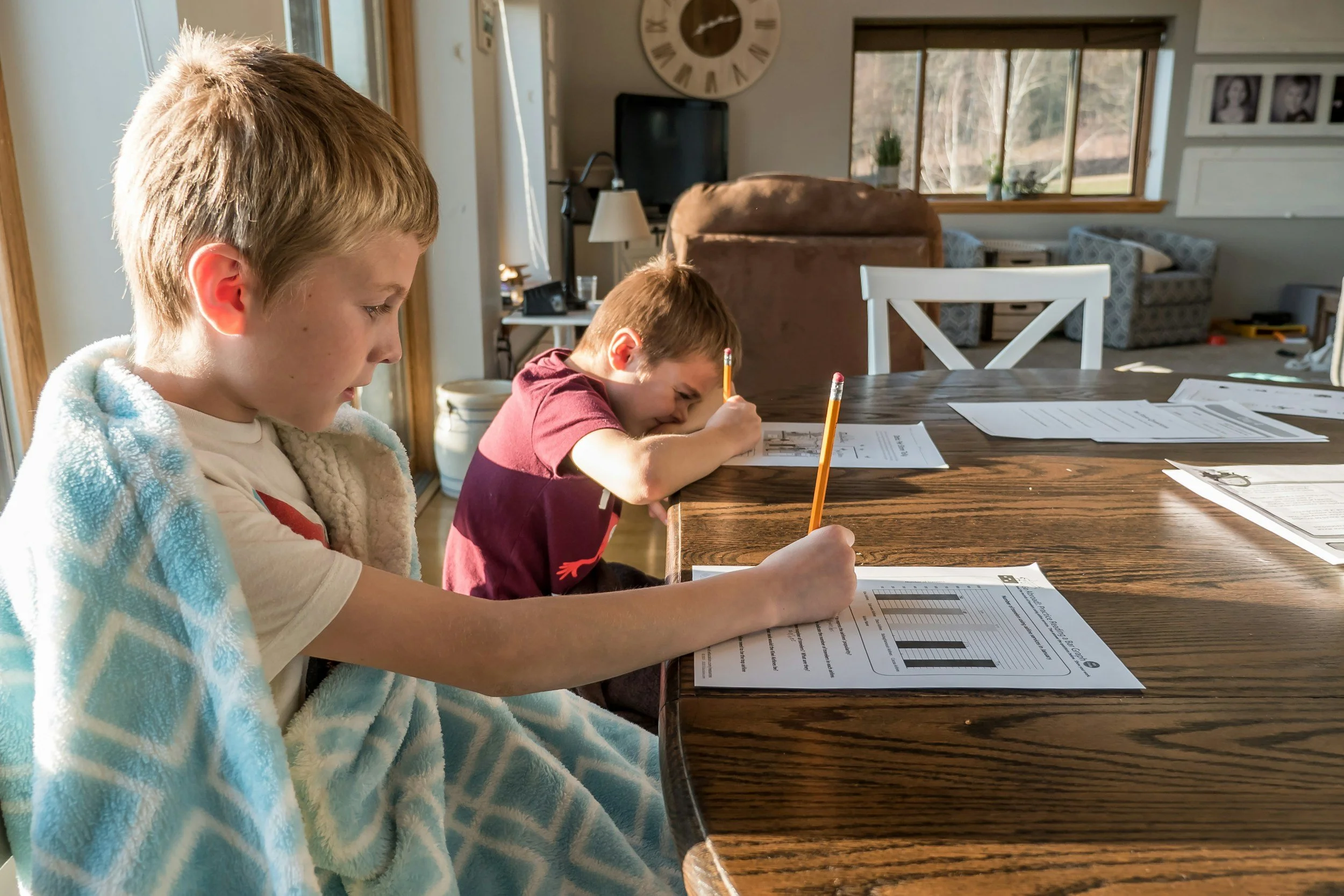
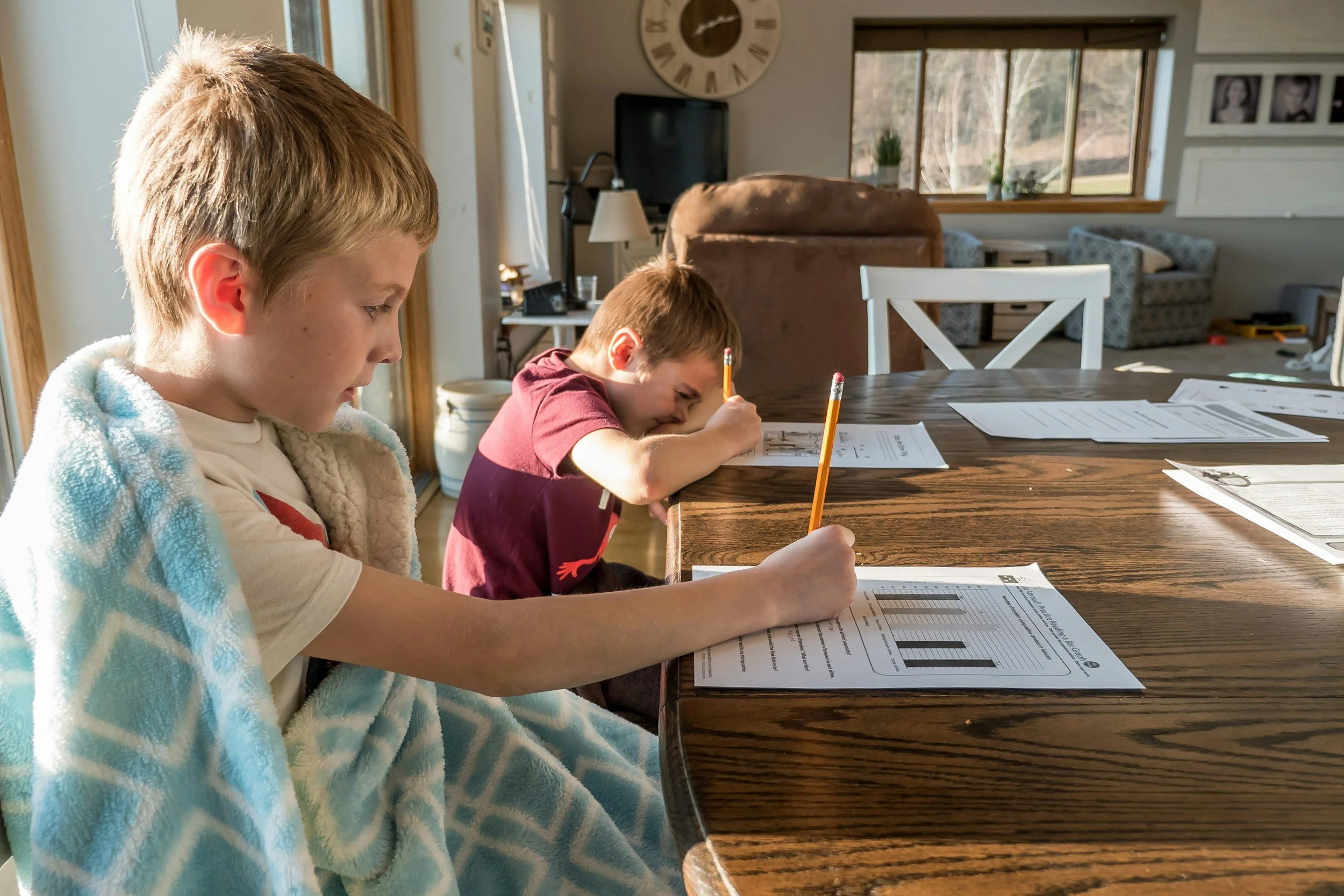
Homeschooling is a big decision and can be stressful for many parents. As a parent, you want to do what is best for your child, and sometimes there are fears about homeschooling: will my child be prepared for college; will they be able to make friends; will they be prepared for a job; will they be weird?
These are all valid questions and concerns that should be considered before making the decision to homeschool. However, hearing some first-hand homeschooling stories may help families think through whether homeschooling could be a good fit for them.
I am an intern at Abdnour Weiker, and I just finished my second year of college. I was homeschooled throughout elementary school, middle school, and high school. My mom used curricula and workbooks for my brother and me in elementary school. We joined a homeschool group and a co-op, and in high school we took online classes. We went on many field trips and were encouraged commit extra time to the things in school we enjoyed most.
The freedom we were given allowed us to pursue our passions. I now sell my art and paintings, and my brother is a paid YouTube content creator. Homeschooling allowed us to pursue these passions and gave us the flexibility to put extra time into pursuing them. That flexibility was one of the many things I valued about homeschooling, but there are also several common concerns that families may have when considering it.
One of the biggest fears about homeschooling is that homeschooled kids won’t be prepared for life after school. That has not been my experience. I am majoring in Economics and Pre-Law and, so far, still have a 4.00 GPA. I don’t say this to brag, but to share one example of how a homeschooled student can successfully transition to college.
I also have five cousins who were all homeschooled. One is working his way up in a national company, one just graduated from law school and has a job at a national law firm, one is top of his class at Virginia Tech’s vet school, one just graduated from Virginia Tech, and the youngest is majoring in engineering at Virginia Tech. And it’s not just my family. I have many friends who started college at the same time I did, and all of them are excelling.
According to the National Home Education research Institute, research shows that homeschoolers generally receive higher test scores and have a higher college graduation rate than students who were not homeschooled. It does take a lot of work to educate your children, and at the high school level some families may choose to use online classes, tutors, co-ops, or other outside resources to make sure their child is getting a deep understanding of all subjects (which may be hard for a parent to teach independently). For me, homeschooling did not create any academic disadvantages, and my parents fostered a love for learning in me that has continued into college.
The other major fear about homeschooling is that your children will end up socially awkward or weird. And, yes, I went through an awkward phase, but no more than any kid does at that age. I have never had a problem fitting in or being involved. I had many local homeschooled friends when I was younger, and we had an amazing community. Many local communities have homeschool groups, which you can find online and may provide families with opportunities for social activities, group learning, and community. I also made many friends through online school.
Now that I am in college, I am in a sorority and about seven other extracurricular groups. I hold leadership positions in about half of these groups as well. I have many amazing friends and can hardly walk across campus without running into someone I know. Although socialization is a common concern about homeschooling, it was never a significant issue for me. My family intentionally sought out opportunities for us to build friendships and participate in activities with other students.
And again, it’s not just me. Three of my cousins were involved in fraternities in college, and many of them were, honestly, more social than I am.
I feel so lucky to have been homeschooled and would not trade it for anything. Homeschooling allowed me to explore my passions and foster a love of learning. For my family, homeschooling also provided flexibility and allowed my parents to shape an educational environment that worked well for us. I truly do not feel that I was disadvantaged by the experience.
I would not be where I am without homeschooling. Homeschooling gave me the drive to work as hard as I could, enjoy that work, and to seek out opportunities for growth.
So, if you are considering homeschooling your child, I would encourage you to learn as much as you can about what homeschooling would look like for your family and whether it fits your child’s individual needs. My experience was incredibly positive, but homeschooling is a significant commitment and may not be the right choice for every family or every child.
You will have to search out opportunities, homeschool groups, and places for your children to socialize (you may even want to create your own homeschool group or community). You will have to put lots of time into teaching them, finding curricula, and figuring out the best way to be their teacher.
Homeschooling is not for everyone, but for some families, it can be an incredibly rewarding educational option. It certainly was for mine, and I am grateful for the opportunities and experiences it gave me.
Sources:
- https://nheri.org/research-facts-on-homeschooling/
Written by Kailey Sweet, AW Summer Intern